In the aftermath of a DWI charge, it’s easy to feel unsure of what to do next. One main question many ask is “What happens when you get a DWI in New York?” Our team at Koch Law, PLLC, is here to explain the process, potential penalties, and other factors that can have an impact on your case.
About Us
Koch Law, PLLC has spent years representing the people of New York City, Nassau County, Westchester County, Suffolk County, and communities throughout southeastern New York in their DWI cases. Lead attorney Lee A. Koch served his country in the United States Air Force before dedicating himself to the law. His tireless efforts earned a 10.0 Avvo Rating and a Rising Star award from Super Lawyers in 2023.
Koch Law, PLLC is
located in the heart of Midtown
in New York City
Overview of New York DWI Cases
DWIs are a pressing public health concern for drivers across the United States. In 2023, 12,429 people died nationwide in alcohol-related crashes. There were 12,382 serious injuries and 1,104 deaths in alcohol related incidents. In New York state, there were 31,140 impaired driving arrests.
Driving while intoxicated (DWI) occurs when someone operates a motor vehicle while having a blood alcohol level (BAC) of 0.08% or higher, or when intoxicated by a drug. If your BAC is 0.18% or higher, your charge may be escalated to an aggravated DWI charge.
A similar charge used in New York is driving while ability impaired (DWAI), used when someone’s BAC is more than 0.05% but less than 0.07% or when alcohol still affects their driving ability. It may also be used for impairment by drugs.
What Happens in a New York DWI Case
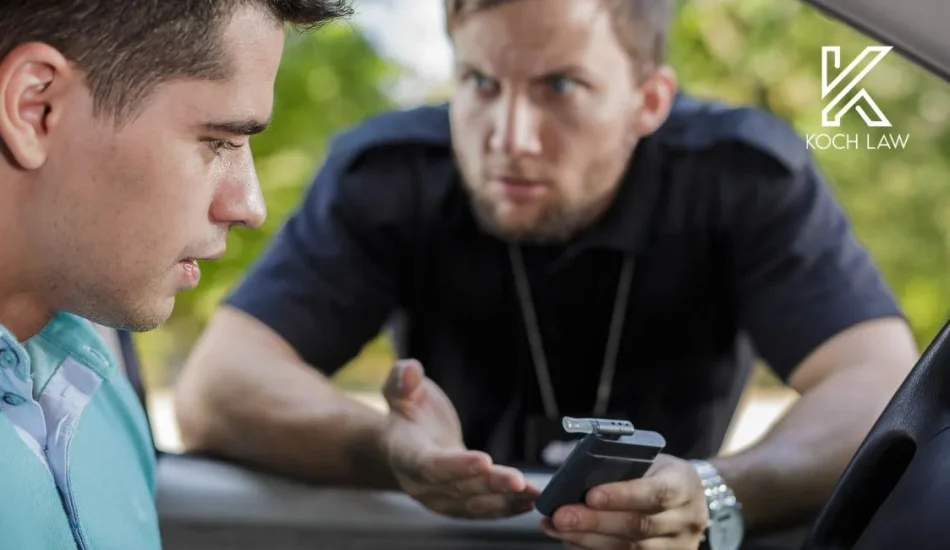
Most DWI cases begin with the police pulling you over under suspicion of intoxication. In the interaction, they may ask you to take a field sobriety test before initiating a chemical test. Refusing to take a chemical test, registering a BAC above the legal limit, or failing a field sobriety test generally results in an arrest.
During your arrest, the police take additional chemical tests, fingerprints, your photo, and personal information. You may be held in custody or released with a citation for your first court appearance. In this hearing, you can choose to plead guilty or innocent. A trial may be required in some instances.
The New York Department of Motor Vehicles may also hold an administrative process to review the effect on your driver’s license. These have a lower burden of proof than criminal proceedings and instead center around whether you should keep your driving privileges.
DWI Penalties in New York
Penalties for a DWI conviction change based on your record and the circumstances involved. These include:
- First time DWI. These can carry up to a year in jail, a minimum of six months license revocation, and a fine of between $500 and $1,000. Aggravated charges increase punishment to a minimum one-year suspension and fines of $1,000 to $2,500.
- Second DWI. Penalties for a second offense within 10 years of a first offense include a license revocation of at least one year or 18 months when aggravated, a maximum of four years in prison, and fines of $1,000 to $5,000.
- Third DWI. A third or subsequent DWI within 10 years carries up to 7 years in prison, fines of between $2,000 and $10,000, and a minimum of one year license revocation or 18 months for aggravated convictions.
At Koch Law, we are proud to
offer a free initial case consultation
We understand that if you are seeking asylum from New York.
Hire a DWI Lawyer
Hire a DWI lawyer to help you with your case. Your attorney can be at your side at each stage of your case, from initial arrest to court verdict. They can review the evidence against you, build your defense strategy, and represent you in all related court hearings. Your lawyer may also negotiate a plea bargain that reduces a DWI to a DWAI, shortens jail sentences in favor of probation, and mitigates the event’s impact on your future.
FAQs
What Is Leandra’s Law?
Leandra’s Law is a 2009 New York law that increases the penalties for DWI when there is an underage child in the vehicle. The law mandates minimum sentencing, ignition interlock devices, or registration in the statewide child abuse registry, depending on the circumstances of the event. Your attorney can determine the laws involved in your particular charges and how they apply to your case.
Is Your License Suspended Immediately After a DWI in New York?
After a DWI in New York, your license may be automatically suspended depending on the circumstances involved. Refusing a chemical test can result in an immediate suspension regardless of your condition. After a conviction, your license is likely to be suspended for six months, a year, or longer, depending on the offense.
What Is the Zero Tolerance Law in New York?
The Zero Tolerance Law in New York is WTL 1192-a, which stipulates that it is illegal for a driver under the age of 21 to operate a vehicle with any amount of alcohol in their blood. This is not a criminal offense, and penalties generally include a fine and the suspension or revocation of the person’s driver’s license.
How Long Does a DWI Stay on Your Record in New York?
How long a DWI stays on your record in New York is a pressing concern when facing a charge. A guilty verdict for a DWI misdemeanor or felony is likely to remain on your criminal record in most cases, and even an arrest may remain unless you petition for it to be sealed. New York State’s Department of Motor Vehicles keeps records of DWIs for 15 years from the date of a conviction.
Speak With a New York DWI Lawyer Today
Contact us today to schedule your first consultation, where we can learn your story, explain your rights under state law, and advise you on what steps you can take in your DWI case. You may also visit one of our three offices, which include our Manhattan office on 5th Avenue, our Wantagh location on Waterbury Drive, and our White Plains branch on East Post Road.
New York DWI Resources:






 ES
ES